
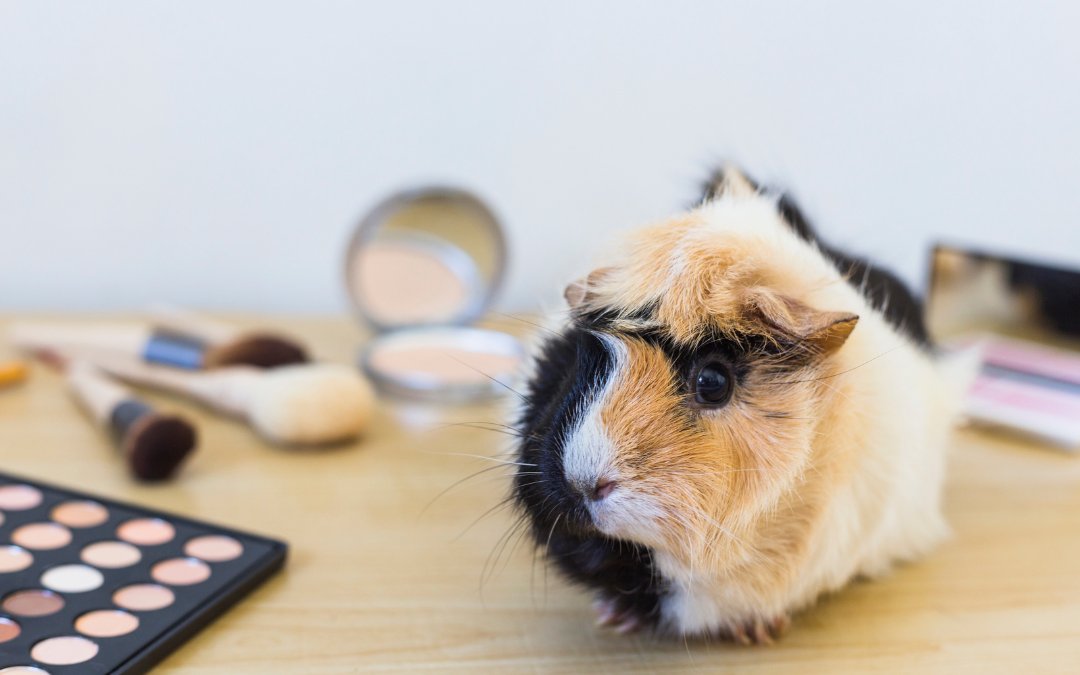
Exotic pets add something unusual to a household. Birds, reptiles, rabbits, ferrets, guinea pigs, hedgehogs, and other small species each come with their own quirks, needs, and ways of letting you know something isn’t right. The tricky part is that most of them would rather hide trouble than show it.That habit traces back to survival. In the wild, a visibly sick animal draws predators. A cockatiel or a leopard gecko raised in your living room still carries that wiring, which means by the time symptoms look dramatic, the underlying issue has often been brewing for a while. Learning to read the quiet signals helps you step in early, when care is easier and recovery is more likely.
The Small Changes That Actually Matter
Owners often say something felt off before they could name it. That gut read is worth paying attention to.
Appetite, thirst, droppings, and energy level form the daily baseline for any exotic pet. A bearded dragon that suddenly skips breakfast, a rabbit producing fewer or smaller fecal pellets, or a parrot who stops chattering in the morning is telling you something. None of those shifts guarantee illness on their own, but together they build a picture.
Keep a rough mental log of what normal looks like in your home. Weight changes you can feel when you pick your pet up, a slight posture change, sleeping in an unusual spot, or skipping a favorite treat all count as data points.
Signs That Call for Prompt Care
Certain symptoms move an animal from “watch and wait” to “call the clinic today.” The list varies by species, but a few patterns show up across exotic pets:
- Not eating for more than a short stretch, especially in small herbivores like rabbits and guinea pigs, whose digestive systems shut down fast without food moving through
- Any breathing change, including open-mouth breathing, tail-bobbing in birds, clicking or wheezing sounds, or forced effort at each breath
- Discharge from the eyes, nose, vent, or mouth
- Swelling anywhere on the body, including lumps, a puffy abdomen, or a swollen jaw
- Blood in droppings, urine, or around the mouth
- Seizures, sudden weakness, or collapse
Open-mouth breathing in a rabbit or a bird is always an emergency. So is prolonged straining without producing droppings, which can signal a blockage or egg binding in a female reptile or bird. Don’t wait these out.
Species Speak Different Dialects
Reading symptoms gets easier once you know what “sick” tends to look like for your specific pet.
Birds
A fluffed, quiet bird sitting low on the perch or at the bottom of the cage usually feels awful. Tail-bobbing with each breath, changes in droppings (color, consistency, or amount), skipped preening, and a drop in vocalization all deserve attention. Birds mask illness better than almost any other pet.
Reptiles
Watch for refusal to bask, discolored or retained shed, bubbles or mucus at the nostrils, soft or misshapen jaws, and sudden weight loss along the spine. Snakes that stop eating for an unusual stretch, turtles with swollen eyelids, and lizards with twitching limbs all need a closer look. Many reptile problems trace back to husbandry issues such as temperature, humidity, or UVB lighting, which a veterinarian can help you troubleshoot.
Small Mammals
Rabbits and guinea pigs depend on constant gut movement. A rabbit who stops eating and producing droppings may be slipping into GI stasis, which can become serious quickly. Overgrown teeth, drooling, head tilt, and skin sores also warrant a visit. Ferrets lose weight fast when something is wrong, and hedgehogs who wobble or struggle to curl up may be signaling a neurological issue.
Why Waiting Costs You
Exotic species have less margin than a healthy adult dog. Their body size, faster metabolisms, and specialized physiology mean a day of not eating or a mild infection can snowball. The faster a veterinarian can examine your pet, run diagnostics, and start treatment, the more options stay on the table
Calling ahead helps, too. Not every veterinary clinic sees exotic species, and the team you choose should be comfortable with birds, reptiles, and pocket pets. Build that relationship during a wellness visit rather than scrambling during a crisis. Regular checkups also establish a baseline, so changes stand out sooner.
The team at Douglas Animal Hospital sees exotic patients alongside dogs and cats and serves families across Osseo, Maple Grove, Brooklyn Park, Dayton, and Champlin. Having a veterinarian who already knows your parrot, python, or lop-eared rabbit makes the hard moments easier to navigate.
Skip the Guesswork
Resist the urge to tweak diet, lighting, or housing on your own once your pet seems sick. Changes at home can mask the very clues a veterinarian needs to figure out what’s happening. Stick to close observation, jot down what you see, and let the exam guide the next steps.
You don’t need a diagnosis before you pick up the phone. Your job is to notice. The clinic handles the rest. Save Douglas Animal Hospital’s number in your contacts now, and reach out as soon as something feels off. Your pet is counting on you to speak up for them.